

BEIJING/TAIPEI: Facing mounting U.S. export restrictions, Nvidia is preparing to launch a new, lower-cost artificial intelligence chip tailored for the Chinese market.
The move comes as the company seeks to maintain a foothold in China's US$50 billion data center industry, which accounted for 13 percent of its sales last year.
The upcoming GPU will be part of Nvidia's Blackwell architecture and is expected to be priced between $6,500 and $8,000—significantly below the $10,000 to $12,000 range of its now-restricted H20 model, according to two sources familiar with the matter. The lower price reflects downgraded specifications and simpler manufacturing requirements.
The new chip will be based on Nvidia's RTX Pro 6000D and will utilize conventional GDDR7 memory instead of the more advanced high-bandwidth memory. The sources said it will also skip Taiwan Semiconductor Manufacturing Co's (TSMC) Chip-on-Wafer-on-Substrate packaging. Mass production could begin as early as June.
"The company is still evaluating its ‘limited' options," an Nvidia spokesperson told Reuters. "Until we settle on a new product design and receive approval from the U.S. government, we are effectively foreclosed from China's $50 billion data center market."
TSMC declined to comment.
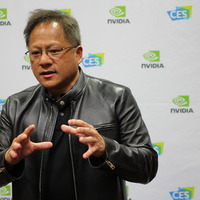
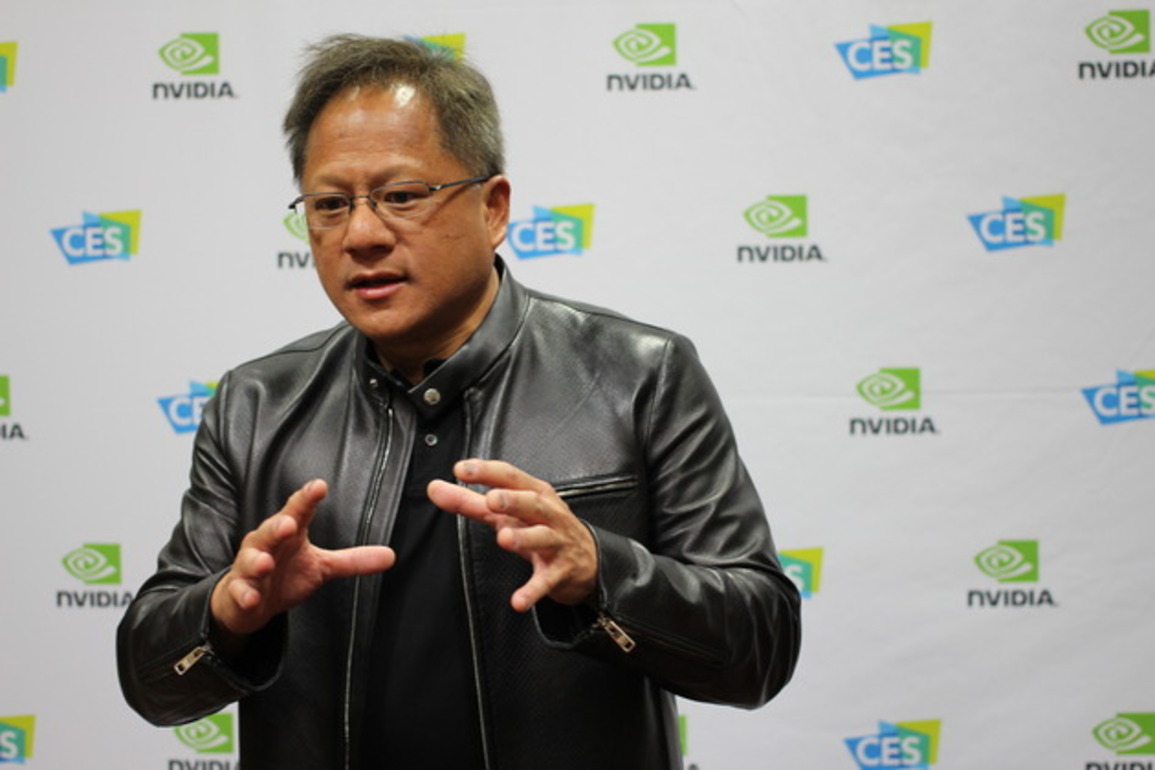
This would mark the third time Nvidia has developed a specialized chip for China following U.S. government interventions aimed at slowing Beijing's AI advancements. After the U.S. banned shipments of the H20 chip in April, Nvidia considered a downgraded version, but CEO Jensen Huang confirmed last week that the older Hopper architecture could no longer be adapted under current restrictions.
Huang said the restrictions have caused Nvidia's China market share to drop from 95 percent before 2022 to about 50 percent now, with Huawei's Ascend 910B chip gaining traction. "If U.S. export curbs continue, more Chinese customers will buy Huawei's chips," he warned.
The H20 ban also forced Nvidia to write off $5.5 billion in inventory and walk away from $15 billion in sales, Huang told the Stratechery podcast.
U.S. rules now cap GPU memory bandwidth at around 1.7–1.8 terabytes per second, compared to 4 TB/s for the H20. According to GF Securities, the new chip will likely reach the 1.7 TB/s limit using GDDR7 memory—just under the regulatory ceiling.
Reuters could not confirm the product's final name, though possibilities include "6000D" or "B40." Another Blackwell-based chip may also launch as early as September.