

SEOUL, South Korea: South Korea's chief trade negotiator, Yeo Han-koo, departed for Washington on September 15 for a new round of tariff talks with the United States, the trade ministry said. The visit comes as both sides struggle to resolve sticking points that have stalled the finalization of a trade agreement that was reached in principle in July.
At the heart of the negotiations is a $350 billion investment package. While the broad outlines of the deal have been agreed upon, key details remain unsettled, particularly those involving implications for the foreign exchange market. Seoul has voiced concerns that the terms of a similar U.S.–Japan agreement cannot be applied to South Korea without risking disruption to its currency reserves.
Kim Yong-beom, the presidential policy chief, said last week the talks were "deadlocked" over foreign exchange issues. The finance ministry later confirmed discussions with Washington were ongoing to mitigate potential impacts on the won but declined to comment on whether a currency swap arrangement was under consideration.
Yeo's trip follows an earlier visit by Industry Minister Kim Jung-kwan, who held discussions with U.S. Commerce Secretary Howard Lutnick but made little visible progress. Before leaving Seoul, Yeo told reporters that South Korea was "working hard to achieve an outcome that is reasonable and meets our national interests," adding that there were no plans to open the agricultural market further.
The lack of breakthroughs has fueled speculation in local media that the negotiations have reached an impasse. When pressed, presidential spokesperson Kang Yu-jung said the government would continue talks until an agreement was secured that safeguarded South Korea's economic priorities, particularly on foreign exchange reserves and protection for domestic industries.
President Lee Jae Myung reinforced that stance, warning he would not approve any deal that undermined national interests. "If it doesn't benefit us, there's no point in signing it," Lee said at a press conference last week.
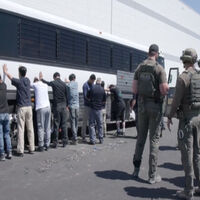
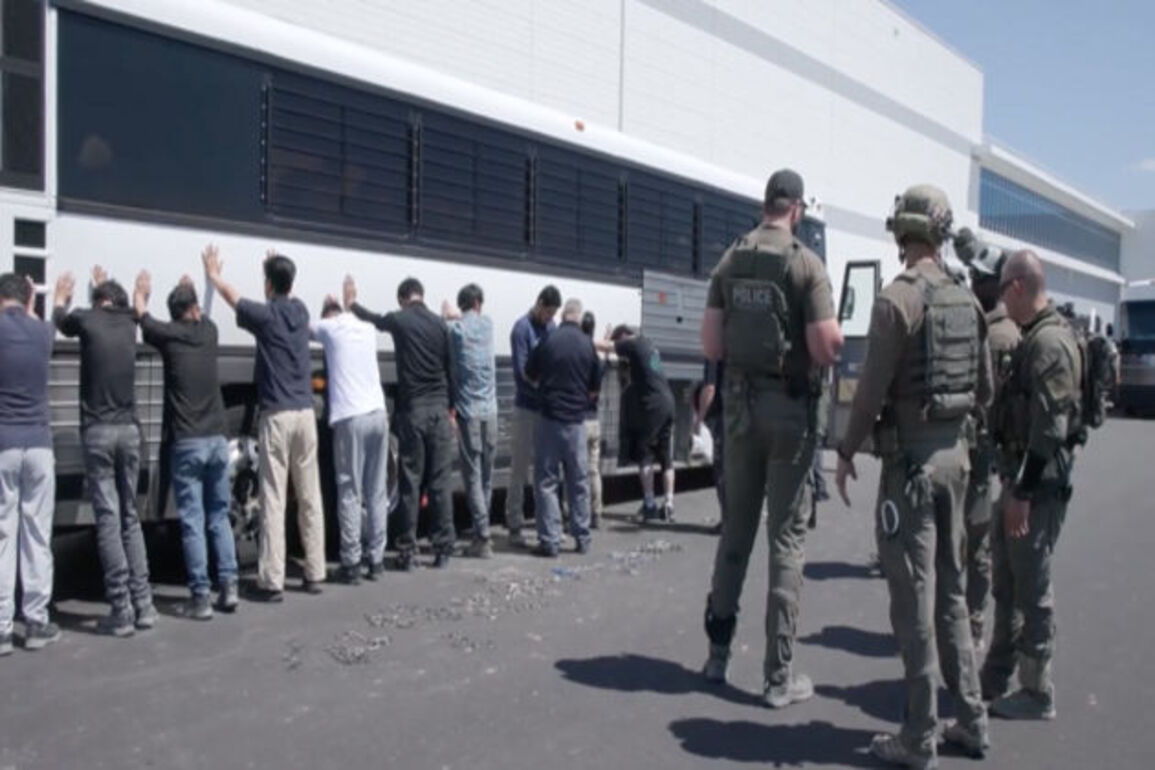
The trade dispute comes against a backdrop of strained ties. Earlier this month, a U.S. immigration raid at a Hyundai Motor battery plant in Georgia—one of South Korea's most significant investment projects in America—led to the arrest of hundreds of Korean workers. Images of employees being escorted in handcuffs shocked the South Korean public and further complicated relations with Washington.
U.S. President Donald Trump sought to ease concerns, saying foreign companies should be able to bring skilled personnel temporarily to train American workers. "I don't want to frighten off or disincentivize investment into America by outside countries or companies," he wrote on his Truth Social platform.
For now, both governments are attempting to keep the tariff negotiations on track, though the obstacles remain formidable.